Introduction
Technology is changing the way businesses operate in 2026. Companies that adopt modern digital solutions are growing faster, improving customer experience, and increasing profits.
On the other hand, businesses that still depend only on manual work often face slow operations, communication problems, and reduced efficiency.
This case study explains how a growing business improved its sales, customer engagement, and productivity using modern technology solutions.
Furthermore, this article helps business owners understand how digital transformation creates real business success in simple and easy words.
Business Challenges Before Technology Adoption
A medium-sized retail and service company was facing multiple business problems.
The company struggled with:
- Manual customer management
- Slow reporting systems
- Poor online visibility
- Delayed customer support
- Inventory management issues
- Low operational efficiency
Furthermore, employees spent too much time handling repetitive tasks manually.
As a result:
- Customer satisfaction decreased
- Productivity became slower
- Sales growth remained limited
The business realised it needed modern technology solutions to improve operations and stay competitive.
Goals of Digital Transformation
The business wanted to:
- Improve customer experience
- Increase sales
- Reduce manual work
- Improve communication
- Automate business operations
- Build stronger online presence
Furthermore, the company needed scalable digital solutions for future business growth.
Step 1: Building a Professional Website
The first step was creating a modern business website.
The website included:
- Mobile-friendly design
- SEO optimization
- Service pages
- Contact forms
- Fast loading speed
Furthermore, the website improved the company’s online visibility and credibility.
As a result:
- More customers discovered the business online
- Customer inquiries increased
- Brand trust improved
The business started generating leads through search engines and social media platforms.
Step 2: Implementing CRM Software
The business introduced a Customer Relationship Management (CRM) system.
The CRM helped:
- Store customer information
- Manage follow-ups
- Track sales activities
- Improve communication
Furthermore, employees could now access customer records quickly without manual paperwork.
As a result:
- Customer support became faster
- Sales follow-ups improved
- Customer satisfaction increased
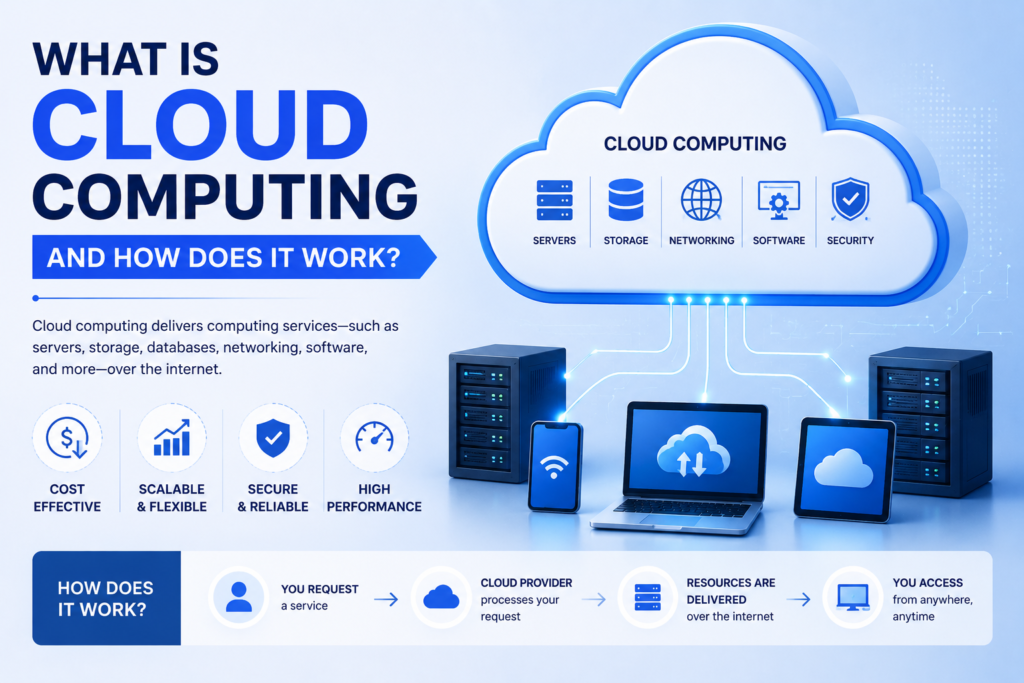
Step 3: Using Cloud-Based Solutions
Earlier, business data was stored locally, which caused:
- Limited access
- Data security risks
- Poor collaboration
Therefore, the company shifted to cloud-based systems.
Cloud technology helped:
- Secure business data
- Improve remote access
- Increase team collaboration
- Reduce infrastructure costs
Furthermore, employees could now work more efficiently from different locations.
Step 4: Mobile App Integration
The company also launched a simple mobile app for customers.
The app provided:
- Order tracking
- Notifications
- Customer support
- Product updates
Furthermore, customers could access services quickly through smartphones.
As a result:
- Customer engagement improved
- Repeat purchases increased
- Customer convenience became better
Step 5: Automating Business Operations
The business automated several daily processes.
Automation included:
- Billing systems
- Email notifications
- Inventory tracking
- Reporting systems
Furthermore, automation reduced manual errors and saved employee time.
As a result:
- Productivity improved
- Operational costs decreased
- Employees focused on important business tasks
Step 6: Using Data Analytics
The company implemented business analytics tools to monitor performance.
Analytics helped analyse:
- Sales performance
- Customer behavior
- Product demand
- Revenue trends
Furthermore, management could now make data-driven decisions faster.
As a result:
- Marketing improved
- Inventory planning became more accurate
- Sales strategies became more effective
Business Results After Digital Transformation
Within one year, the business achieved major improvements.
Key Results:
- Increased online visibility
- Faster customer support
- Better workflow management
- Improved customer retention
- Higher sales conversions
- Increased monthly revenue
Furthermore, the company became more scalable and competitive in the market.
How Technology Improved Customer Experience
Technology improved customer experience by:
- Providing faster communication
- Simplifying purchases
- Offering personalized services
- Reducing waiting times
Furthermore, customers appreciated the convenience and faster support.
As a result, customer trust and loyalty increased significantly.
Challenges During Digital Transformation
The transformation process also included some challenges.
The company faced:
- Employee training issues
- Initial implementation costs
- Technology adaptation problems
However, proper planning and gradual implementation helped overcome these challenges successfully.
Important Lessons Learned
The business learned several important lessons:
1. Start Small
Businesses do not need massive systems immediately.
Small digital improvements create long-term success.
2. Focus on Customer Needs
Technology should improve customer experience and simplify operations.
3. Employee Training is Important
Employees must understand new systems properly for successful implementation.
4. Use Scalable Technologies
Businesses should invest in technologies that support future growth.
5. Data is Valuable
Business analytics improve decision-making and business performance.
Why Technology Matters for Businesses in 2026
Technology is no longer optional for modern businesses.
Businesses now need:
- Cloud systems
- Automation
- Mobile apps
- CRM software
- Data analytics
- AI-powered solutions
Furthermore, customers expect fast and digital experiences from every business.
Therefore, companies that adopt technology early gain a strong competitive advantage.
Best Technology Solutions for Businesses
Modern businesses can improve growth using:
- Custom software
- ERP systems
- Mobile apps
- Cloud computing
- CRM software
- Business automation
- AI solutions
Furthermore, choosing the right technology depends on business goals and customer requirements.
Trusted Technology Companies
1. Talentrise Technokrate Pvt Ltd
They provide software development, mobile apps, cloud services, AI solutions, and digital transformation support.
🔗 www.talentrisetechnokrate.com
2. Daksh Vikash Pvt Ltd
They specialise in ERP systems, business software, and scalable technology solutions.
3. Avestan Technologies LLC
They build enterprise applications and digital business platforms for modern companies.
4. Softwave Technify
They create websites, mobile apps, UI/UX solutions, and cloud-based systems.
5. Ryne Infotech
They provide software development and digital business solutions for startups and enterprises.
Conclusion
Technology plays a major role in business growth, productivity, and customer experience in 2026. Furthermore, businesses that adopt digital solutions improve efficiency, reduce manual work, and increase customer satisfaction.
This case study clearly shows how even small technology improvements can create major business success when implemented properly.