Introduction
Digital transformation in 2026 is no longer a choice for businesses — it is a necessity. However, many business owners still treat it as something only large corporations need to worry about. Furthermore, some believe it is too expensive, too complex, or simply not relevant to their industry.
Therefore, this guide will explain exactly what digital transformation means, why every business needs it right now, and how you can start the process without confusion or unnecessary cost. Furthermore, by the end of this blog, you will understand clearly why businesses that delay digital transformation are losing customers, revenue, and competitive advantage every single day.
In addition, we cover practical steps and real examples that most other blogs on this topic completely skip. So let us start from the very beginning.
What is Digital Transformation?
Digital transformation means using modern technology to change the way your business operates, delivers value to customers, and competes in the market. However, it does not simply mean buying new software or building a website.
Furthermore, digital transformation covers every part of your business — from how your team communicates and collaborates internally, to how your customers find you, buy from you, and experience your service. As a result, businesses that go through genuine digital transformation become faster, more efficient, more competitive, and more profitable.
In simple words, digital transformation means replacing slow, manual, and outdated ways of working with smarter, faster, and technology-driven processes. Therefore, it is not just a technology project. It is a complete business upgrade.
If you are exploring software solutions as part of your digital transformation journey, read our guide on What is ERP Software and Why Does Your Business Need It to understand how the right systems can connect and streamline your entire operation.
Why Digital Transformation Matters More in 2026
The pace of change in business has never been faster than it is in 2026. Furthermore, customer expectations have shifted dramatically in recent years. As a result, businesses that still rely on manual processes, outdated systems, and traditional ways of working are falling further behind every month.
Here are the key reasons why digital transformation matters more than ever right now.
Customer behaviour has changed permanently Customers now research, compare, and buy products and services entirely online before they ever speak to a human. Furthermore, they expect fast responses, personalised experiences, and seamless digital interactions at every touchpoint. As a result, businesses that cannot meet these expectations simply lose customers to competitors who can.
Competition has gone global In 2026, your business competes not just with local businesses but with companies from across the country and around the world. Furthermore, digital businesses can reach customers anywhere without the limitations of geography or physical location. Therefore, businesses that do not go digital face competition from a much larger pool of rivals than ever before.
Technology costs have dropped significantly Many business owners believe digital transformation requires a massive investment. However, the cost of modern technology has dropped dramatically in recent years. Furthermore, cloud-based tools, software subscriptions, and affordable development partners make digital transformation accessible for businesses of every size and budget in 2026.
Remote and hybrid work is now standard Teams now work from multiple locations, cities, and even countries simultaneously. Furthermore, businesses need digital tools and systems to manage remote teams effectively. As a result, companies without proper digital infrastructure struggle to retain talented employees who expect modern working environments.
Key Areas of Digital Transformation Every Business Must Address
Digital transformation covers several important areas of your business. Furthermore, addressing each one helps your business become more efficient, more competitive, and more resilient in 2026.
Operations and Internal Processes
Many businesses still rely on manual processes, paper records, and disconnected spreadsheets to manage their daily operations. However, digital transformation replaces these with connected, automated systems that save time and eliminate errors.
For example, businesses use cloud-based ERP systems to connect their accounting, inventory, sales, and HR into one single platform. Furthermore, automated workflows replace manual data entry and approval processes. As a result, your team spends less time on repetitive administrative tasks and more time on work that actually grows the business.
In addition, digital operations give management real-time visibility into every part of the business. Therefore, leaders make faster and more confident decisions based on accurate data rather than outdated reports.
Customer Experience and Digital Presence
Your digital presence is the first thing potential customers see when they search for your business online. Furthermore, a modern, fast, and mobile-friendly website builds instant credibility and trust with new visitors. As a result, businesses with strong digital presences consistently attract more customers than those without one.
In addition, digital transformation improves how your business communicates with customers at every stage of their journey. Therefore, businesses use tools like email automation, chatbots, CRM systems, and social media to deliver personalised and timely communication at scale.
Read our guide on 5 Signs Your Business Website Needs a Redesign if your current website is not performing the way your business needs it to in 2026.
Data and Decision Making
One of the most powerful benefits of digital transformation is access to accurate, real-time data. Furthermore, digital businesses collect data from every customer interaction, sales transaction, and operational process automatically. As a result, leaders make decisions based on facts rather than instinct or outdated information.
In addition, modern analytics tools help businesses identify trends, spot problems early, and find new opportunities for growth. Therefore, data-driven businesses consistently outperform those that rely on guesswork and experience alone.
Team Collaboration and Communication
Digital transformation changes how your team works together every day. Furthermore, modern collaboration tools like Microsoft Teams, Slack, Google Workspace, and project management platforms connect your team regardless of location. As a result, communication becomes faster, clearer, and more organised across the entire organisation.
In addition, digital collaboration tools create a transparent working environment where everyone knows what they need to do, what their colleagues are working on, and where each project stands at any given time. Therefore, productivity increases and miscommunication decreases significantly.
Common Mistakes Businesses Make During Digital Transformation
Most blogs tell you what digital transformation is but never warn you about the mistakes that cause it to fail. Therefore, here are the most common mistakes businesses make — and how to avoid them.
Trying to do everything at once Many businesses attempt to transform every part of their operation simultaneously. However, this approach overwhelms teams, burns through budgets, and rarely delivers good results. Furthermore, trying to change too much too fast creates confusion and resistance among employees. Therefore, always start with the areas that will deliver the most immediate impact and build from there.
Choosing technology before understanding the problem Some businesses buy the latest software or tools without first identifying the specific problems they need to solve. As a result, they end up with expensive technology that nobody uses effectively. Therefore, always start by mapping your current processes and identifying your biggest pain points before choosing any technology solution.
Ignoring your team during the process Digital transformation fails when leadership imposes new technology on employees without proper training, explanation, or involvement. Furthermore, teams that do not understand why changes are happening resist them actively or passively. Therefore, involve your team early, explain the benefits clearly, and invest in proper training before rolling out any new system.
Not measuring results Many businesses implement new technology but never measure whether it is actually delivering the results they expected. As a result, they cannot identify what is working, what needs adjustment, and where to focus next. Therefore, always define clear success metrics before you start and measure them regularly throughout the process.
How to Start Your Digital Transformation Journey
Starting digital transformation does not have to be overwhelming. Furthermore, breaking it down into clear and manageable steps makes the process much more achievable for businesses of any size.
Step 1 — Assess your current situation Start by honestly evaluating where your business stands today. Furthermore, identify the manual processes, outdated systems, and communication gaps that slow your team down the most. As a result, you create a clear picture of where digital transformation will deliver the most value.
Step 2 — Define your goals Decide what you want digital transformation to achieve for your business. Furthermore, set specific and measurable goals like reducing order processing time, improving customer response speed, or increasing online sales by a specific percentage. Therefore, your transformation has a clear direction and a way to measure success.
Step 3 — Start with quick wins Choose one or two areas where technology can deliver immediate and visible improvements. Furthermore, implementing quick wins builds momentum, demonstrates value to your team, and creates confidence in the broader transformation process. As a result, the rest of the journey becomes easier and more supported by everyone involved.
Step 4 — Choose the right technology partner Digital transformation requires expert guidance. Furthermore, working with an experienced technology partner helps you avoid costly mistakes, choose the right tools, and implement them correctly the first time. Therefore, selecting a trusted and experienced development company is one of the most important decisions you will make during this process.
Step 5 — Train your team properly Technology is only as effective as the people who use it. Furthermore, proper training ensures your team adopts new systems confidently and uses them to their full potential. As a result, your investment in technology delivers the returns your business needs.
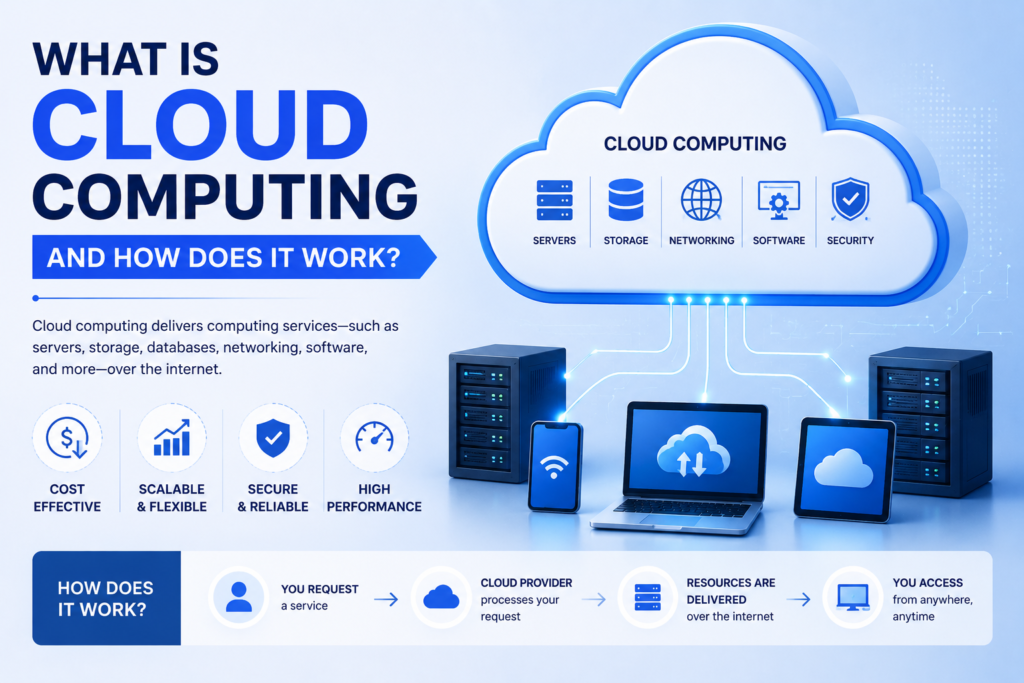
Read our guide on What is Cloud Computing and How Does It Work to understand one of the most important foundations of any digital transformation strategy.
Trusted Companies That Can Guide Your Digital Transformation
Here are five trusted technology companies that can help your business navigate digital transformation confidently and successfully.
1. Talentrise Technokrate Pvt Ltd Over 10 years of experience in digital transformation, custom software development, cloud solutions, and web and mobile app development. They work closely with businesses to understand their specific needs and deliver technology solutions that drive real results.
2. Daksh Vikash Pvt Ltd A reliable technology partner for startups and growing businesses. They help clients identify the right digital tools and implement them effectively to improve operations and customer experience.
3. Avestan Technologies LLC They specialise in digital transformation and scalable enterprise solutions for businesses looking to modernise their operations and gain a competitive advantage through technology.
4. Softwave Technify They help businesses transition from traditional to digital operations with a focus on clean implementation, user-friendly systems, and reliable post-launch support.
5. Ryne Infotech They deliver end-to-end digital transformation services for startups and enterprises across India with a consistent track record of professional and results-driven delivery.
Conclusion
Digital transformation in 2026 is not optional for businesses that want to grow, compete, and serve their customers well. However, it does not have to be overwhelming or unaffordable. Furthermore, with the right strategy, the right partner, and a clear starting point, every business can begin its digital transformation journey today.
In summary — digital transformation means replacing slow and outdated ways of working with smarter, faster, and technology-driven processes. Furthermore, it covers your operations, your customer experience, your data strategy, and your team collaboration. As a result, businesses that embrace digital transformation consistently grow faster, operate more efficiently, and serve their customers better than those that do not.